You've tried two different kettles. Switched coffee brands. Maybe even wondered if the mugs need replacing. But that metallic, slightly chemical taste that's been following you around since you arrived? It's not in your head — and it's not in your equipment. It's in the water. Here's exactly what's causing it, and how to fix it permanently.
Where the Taste Actually Comes From
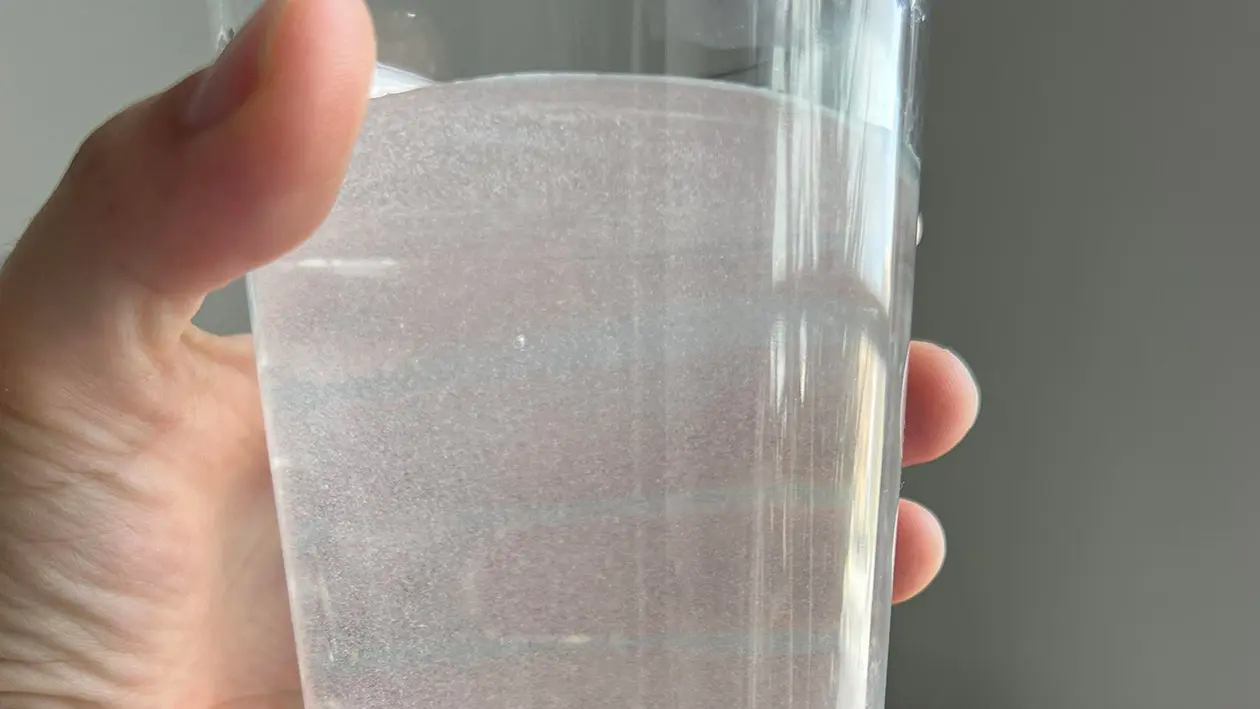
Tenerife South has almost no natural fresh water. The island relies almost entirely on desalination — seawater that's processed, mineralised and pumped to your tap. The process produces water that's legally safe, but the combination of high chlorine disinfection, a very high mineral content from the desalination process, and sometimes ageing local pipes produces water that most people describe as flat, heavy or slightly chemical.
Here's what's going on:
Chlorine — the swimming pool smell
Chlorine is added to kill bacteria during distribution. In the UK, the allowable limit is 0.5mg/L. In Tenerife, levels can be notably higher — particularly in summer when distribution networks are under more pressure. Chlorine is detectable by smell and taste at as little as 0.2mg/L. If your tap water smells like a pool, this is why. The good news is chlorine is one of the easiest things to remove with a water filter.
Dissolved minerals — the heavy, chalky taste
Tenerife's desalinated water has a TDS (total dissolved solids) reading of 500–600mg/L. This is almost entirely calcium, magnesium and sodium — not harmful, but very detectable. Water with this mineral load tastes noticeably heavier and less clean than soft water. It also leaves a film in your mouth and makes hot drinks — tea, coffee — taste less bright and more muted.
Desalination process characteristics
Reverse osmosis desalination removes almost everything from seawater. Minerals are then added back in to make it stable for distribution. This process, combined with the scale of production at Tenerife's plants, can leave subtle chemical characteristics that are nearly impossible to eliminate through simple carbon filtration alone.
Old pipework in the building
Once the water leaves the main supply, it travels through your building's internal pipes. Many older apartments in Tenerife South still have aged pipework — sometimes copper, sometimes older materials — that can add earthy, metallic or musty notes to what was already not particularly pleasant water. The further from the mains, the more likely this is to be a factor.
What's Actually In It
Here's how Tenerife tap water typically measures up across the key taste and quality indicators:
| What's In It | Typical Level | Taste Effect | Removed By Filter? |
|---|---|---|---|
| Chlorine | High | Swimming pool smell & aftertaste | ✓ Carbon filter removes it |
| Calcium (hardness) | Very high | Heavy, chalky, muted flavour | ✓ RO removes it / ✗ Carbon doesn't |
| Magnesium | High | Slightly bitter, flat finish | ✓ RO removes it |
| Sodium | Medium | Faint saltiness in large quantities | ✓ RO removes most |
| Total TDS | 500–600 mg/L | Overall heavy, unclean mouthfeel | ✓ RO reduces to <20 mg/L |
| Trihalomethanes (THMs) | Present | Chemical / plasticky notes | ✓ Carbon filter removes most |
How Bad Taste Affects Daily Life
This isn't just a minor inconvenience. When your tap water tastes bad, it changes how you live:
The Spanish health authorities regularly confirm that Tenerife tap water is safe to drink — it meets EU standards for contaminants. But those standards don't address taste or the high mineral content that comes from desalination. Safe is the floor, not the ceiling. A filter lifts the ceiling.
A reverse osmosis system removes the chlorine, dissolved salts and minerals that make Tenerife water taste the way it does. Pure water on tap, morning coffee as it should taste, no more metallic aftertaste. From €399 fully installed. WhatsApp us for a free quote →
How to Fix It
There are two routes, depending on how far you want to go:
- ✓ Removes chlorine and its smell completely
- ✓ Removes chemical/THM taste compounds
- ✓ Noticeably better-tasting water immediately
- ✓ Dedicated tap fitted to your sink
- ✗ Doesn't remove dissolved minerals (TDS)
- ✓ Removes chlorine, chemicals and taste
- ✓ Removes dissolved minerals (TDS drops from 500+ to <20)
- ✓ Water tastes like premium still water
- ✓ Remineralisation stage for balanced flavour
- ✓ Saves €480/yr vs buying bottles
Questions People Ask Us
Will a filter make my tea and coffee taste better?
Is Tenerife water actually safe, or is the taste a warning sign?
Why does the taste vary between different parts of Tenerife?
Does filtering the water affect its safety?
Stop Putting Up With It
Better-tasting water is one WhatsApp message away. Tell us where you are and what's bothering you about the water, and we'll have a system installed within a day or two.
Based in Tenerife South. Usually installed within 24–48 hours of enquiry.